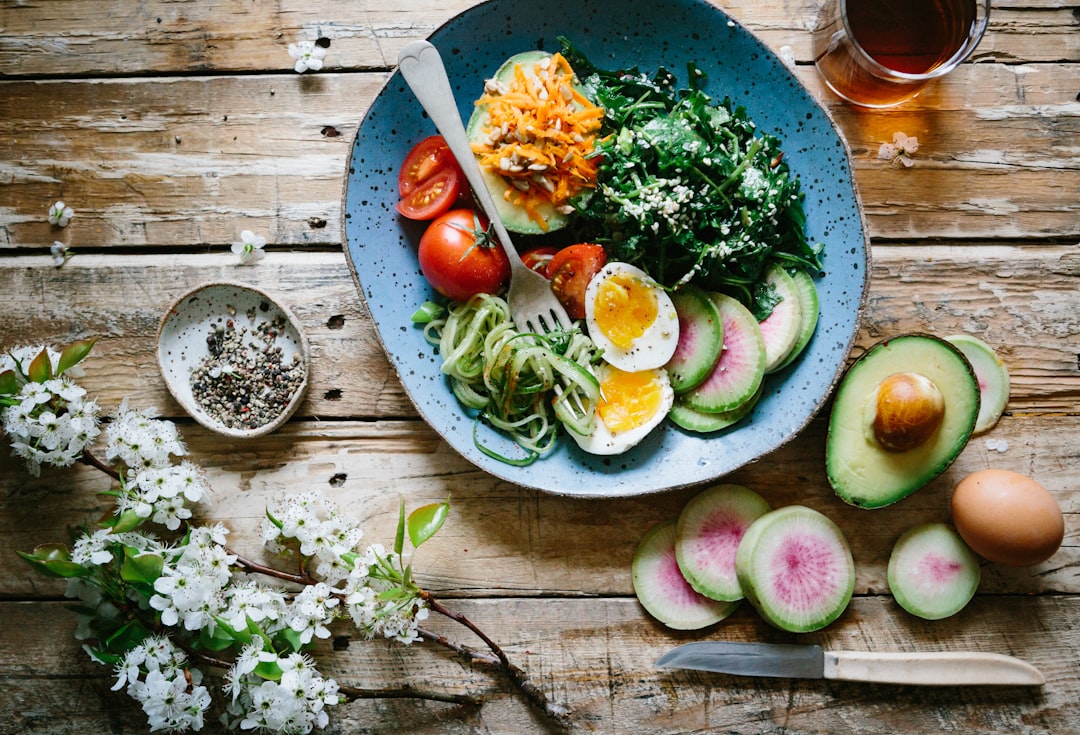
Curating Personalized Nutrition Plans with AI and Machine Learning
How AI and ML analyze health data and lifestyle choices to create truly personalized, practical nutrition plans.
Personalized nutrition is no longer a future promise — it's an expectation. People want nutrition plans that reflect their health data, tastes, lifestyles, and goals. AI tools and machine learning (ML) are the engines making truly individualized nutrition practical at scale. This definitive guide explains how AI analyzes health data and lifestyle choices to craft nutrition plans, how teams should build and evaluate systems, what privacy and bias traps to avoid, and how clinicians and consumers can use these tools safely and effectively. For a primer on where AI governance and content boundaries sit in practice, see Navigating AI Content Boundaries: Strategies for Developers which provides a useful framework you can apply to nutrition recommendations.
Pro Tip: Start with high-quality input. Even the best ML model cannot personalize accurately with incomplete or inconsistent health data — invest first in clean data collection and user experience.
1. Why personalization matters: evidence and real-world impact
Clinical outcomes improve with personalization
Randomized trials and observational studies show that nutrition recommendations tailored to metabolic markers, genetics, and behavior have higher adherence and better outcomes than one-size-fits-all advice. Personalized meal plans reduce HbA1c in people with prediabetes and improve lipid profiles in targeted interventions. Practically, this means AI-powered systems that know your bloodwork, activity, and food preferences can deliver faster improvements than generic diets.
Behavioral economics: personalization boosts adherence
People follow plans they perceive as relevant. AI models that learn taste preferences and schedule constraints can recommend realistic meals and snack timing — raising long-term retention. For guidance on designing apps and experiences that keep users engaged, see User Retention Strategies: What Old Users Can Teach Us, which highlights techniques you can translate into nutrition coaching products.
Business value for healthcare and wellness brands
Personalized nutrition increases lifetime value through better outcomes and subscription retention. Organizations that integrate algorithms into product experiences drive measurable engagement lifts and lower churn. For a strategic view on how algorithms shape engagement and UX, reference How Algorithms Shape Brand Engagement and User Experience.
2. What data fuels AI-driven nutrition plans
Clinical and biometric data
Key clinical inputs include blood glucose, HbA1c, lipid panels, basic metabolic panel, and micronutrient tests. Continuous glucose monitoring (CGM) data offers high-resolution feedback for carbohydrate recommendations. These biomarkers let models predict metabolic responses and personalize macronutrient ratios.
Behavioral and lifestyle signals
Sleep patterns, activity (from wearables), meal timing, and stress levels are essential. Lifestyle choices like shift work, fasting, and cultural diets change recommendation sets. For insights into wearables and travel comfort that inform device choice, check The Future Is Wearable: How Tech Trends Shape Travel Comfort, which discusses sensors and real-world ergonomics for continuous monitoring.
Dietary preferences, constraints and product history
Food allergies, intolerances, religious restrictions, and favorite cuisines define acceptable recommendations. Supplement use and past responses to diets (weight change, satiety) refine personalization. Capturing this reliably requires UX patterns proven in other health tele-services; optimize connection quality for remote consults where needed — see Home Sweet Broadband: Optimizing Your Internet for Telederm Consultations for practical connectivity tips.
3. Core AI and ML approaches for personalization
Rule-based systems and clinical decision support
Rule engines codify clinical guidelines (e.g., sodium limits for hypertension) and safety cutoffs (e.g., avoid high-dose vitamin A in pregnancy). These are transparent and auditable — ideal for gating ML outputs. Use rule-based checks to enforce safety and regulatory compliance before user-facing recommendations are generated.
Collaborative and content-based recommenders
Recommender systems learn from user-item interactions: meal ratings, completion, and substitutions. Collaborative recommenders suggest meals liked by similar users; content-based methods match foods to a user's stated preferences and nutrient targets. Hybrid systems combine both for better cold-start handling.
Supervised learning and predictive models
Supervised models predict outcomes like postprandial glucose or satiety from inputs (meal composition, recent activity). Models can be regression (predict numeric glucose rise) or classification (risk of nutrient deficiency). These models allow dynamic adjustments — for example, increasing fiber recommendations if predicted glycemic response is high.
4. Building the pipeline: from data ingestion to delivered plan
Data collection and harmonization
Start with ingestion connectors for EHRs, labs, wearables, and manual food logs. Harmonize units (mg/dL vs mmol/L), normalize time zones, and resolve duplicates. Building robust ETL reduces downstream model drift. For infrastructure patterns that fit ephemeral workloads and testing, see Building Effective Ephemeral Environments: Lessons from Modern Development, which explains ephemeral environments that accelerate model iteration.
Feature engineering specific to nutrition
Transform raw data into features like glycemic load per meal, meal timing regularity, and micronutrient shortfall scores. Derive context features such as day-of-week and travel status (long flights change hydration and sodium needs). These engineered signals are often the strongest predictors of personalization success.
Model training, validation and testing
Use cross-validation with temporal splits for time-series data (e.g., CGM). Evaluate both accuracy and clinical safety metrics — false negatives for allergy detection are unacceptable. Regularly simulate edge cases and failure modes; for testing prompts, failures, and diagnostics in AI flows, consult Troubleshooting Prompt Failures: Lessons from Software Bugs for practical debugging techniques.
5. Architectures and deployment strategies
On-device vs cloud inference
On-device inference preserves privacy and reduces latency for real-time recommendations (e.g., meal swaps while shopping). Cloud inference centralizes learning across users and enables richer models. A hybrid approach using edge computing for sensitive or latency-critical operations and cloud for heavy training is often ideal. Learn more about edge computing patterns in Edge Computing: The Future of Android App Development and Cloud Integration.
Scalability and ephemeral workloads
Training large personalization models requires ephemeral compute, auto-scaling, and reproducible environments. Containerized jobs, CI/CD for models, and feature-store best practices keep teams nimble. See architecture lessons in Building Effective Ephemeral Environments to apply to ML pipelines.
Performance and app design considerations
Fast and simple suggestions win with consumers. When recommendations are immediate and actionable (a single-swipe meal swap), adherence climbs. For advice on building developer-friendly apps that balance function and aesthetics, read Designing a Developer-Friendly App: Bridging Aesthetics and Functionality.
6. Personalization strategies and psychological nudges
Micro-personalization vs macro-guidance
Micro-personalization offers meal-level swaps, snack timing, and recipe tweaks; macro-guidance sets weekly calorie ranges and nutrient targets. Blend both: macro targets provide clinical safety and long-term direction, while micro suggestions build day-to-day adherence.
Adaptive plans and reinforcement learning
Reinforcement learning (RL) can tune recommendations by optimizing long-term engagement and outcomes rather than immediate clicks. RL policies can adjust meal difficulty, gradually introducing new foods to expand preferences. However, RL requires careful safety constraints and off-policy evaluation before live deployment.
Behavioral nudges and habit formation
Implement nudge patterns such as default meal choices aligned with user goals, goal reminders tied to biometrics (e.g., lower-sodium reminders when BP trends up), and social accountability. These product patterns are familiar in other digital experiences; study user-retention and engagement tactics in User Retention Strategies to transplant proven mechanisms into nutrition apps.
7. Measuring success: metrics that matter
Clinical and biometric endpoints
Primary metrics include changes in HbA1c, fasting glucose, lipid panel improvements, blood pressure, weight, and validated nutrient sufficiency scores. Choose endpoints that align with user goals and the product's clinical claims; regulatory compliance depends on accuracy in these metrics.
Engagement and adherence KPIs
Measure meal plan completion, substitution rates, active days per month, and retention cohorts. Engagement is the bridge between a good algorithm and improved health outcomes. Consider the lessons from algorithmic engagement framing in How Algorithms Shape Brand Engagement and User Experience.
Safety and fairness monitoring
Track model performance across demographics and dietary patterns to detect bias. Monitor false positives/negatives for allergy and contraindication detection. For governance frameworks and AI leadership practices, review AI Talent and Leadership: What SMBs Can Learn From Global Conferences.
8. Privacy, security and regulatory compliance
Privacy-by-design for health data
Implement minimal data retention, consented data sharing, and anonymization where possible. Ensure user control of data exports and deletions. Privacy practices are not optional when health signals are used; they are central to trust and long-term adoption.
Security controls and infrastructure
Encrypt data in transit and at rest, apply robust access control, and monitor for exfiltration. Use SSL/TLS standards and identity management patterns consistent with sensitive health data. For web safety practices, consult The Role of SSL in Ensuring Fan Safety for practical SSL deployment lessons that map to health systems.
Regulatory watch: medical device vs wellness
Understand whether your recommendation engine will be regulated as a medical device. Predictive models intended to diagnose or treat may fall under stricter regulatory regimes. Partner early with regulatory counsel and clinicians to classify claims and design clinical validation plans.
9. Ethical risks, bias and governance
Avoiding algorithmic bias
Nutrition data often reflect population-level food access and cultural norms. Models trained on a narrow subset of users will underperform for underrepresented groups. Actively curate diverse training data and evaluate across socioeconomic and ethnic groups to reduce harm.
Transparency and explainability
Users and clinicians must understand why a recommendation was made. Use interpretable models or post-hoc explanations (feature attribution) and present them in non-technical language. For guidance on content risk and when to rely on black-box models, refer to Understanding the Risks of Over-Reliance on AI in Advertising, which discusses risk trade-offs that are applicable to health contexts.
Human-in-the-loop and escalation policies
Keep clinicians in the loop for high-risk recommendations and provide clear escalation paths for abnormal biometrics. Human oversight prevents many failure modes of fully autonomous systems and increases trust from both regulators and users.
10. Tool comparison: choosing the right approach
Below is a practical comparison table summarizing common AI approaches for personalized nutrition. Use it to match business goals, data availability, latency needs, and transparency requirements.
| Approach | Data Requirements | Latency | Transparency | Best Use Case |
|---|---|---|---|---|
| Rule-based engine | Low — clinical rules and thresholds | Low (fast) | High (auditable rules) | Safety gating, compliance, initial personalization |
| Collaborative recommender | Medium — user-item interactions | Medium | Medium | Meal suggestions, taste-driven recommendations |
| Content-based recommender | Medium — item metadata and user profiles | Low-Medium | Medium-High | Personalized substitutions and allergen filtering |
| Supervised predictive models | High — clinical, wearable, time-series | Variable | Low-Medium (depends on model) | Predicting glucose/weight response to meals |
| Deep learning / RL | Very high — long histories and dense signals | Variable (often higher) | Low (black-box) | Long-term policy optimization, complex pattern discovery |
11. Case studies and real-world examples
Case: CGM-guided personalization for prediabetes
A clinical program used CGM data and supervised models to recommend meal swaps that minimized postprandial spikes. Within 12 weeks, mean post-meal glucose excursions fell by 23% and adherence remained high because swaps respected cultural preferences and meal timing.
Case: Recommender-driven meal plans for busy professionals
A wellness brand integrated collaborative recommenders with calendar and travel signals to suggest meal timing and packed lunches for frequent flyers. This increased active-product days by 18% and reduced churn. For ideas on travel-related personalization and device choices, consult The Future Is Wearable and connectivity practices from Home Sweet Broadband to optimize remote capabilities.
Case: Integrating clinician oversight in scaling programs
A health system combined rule-based triage with ML suggestions and routed complex cases to dietitians. The hybrid approach preserved safety and scaled personalization. Teams leveraged leadership and AI talent playbooks from AI Talent and Leadership when staffing the program.
12. Implementation checklist: from pilot to scale
Phase 0 — Strategy and feasibility
Define clinical claims, target outcomes, and data contracts. Engage clinicians, privacy officers, and engineering early. If your product will rely on content creation and AI-driven suggestions, align guardrails from the outset; see Decoding AI's Role in Content Creation for process templates.
Phase 1 — Pilot
Launch with a bounded cohort and a limited feature set: core data connectors, safety rules, and one predictive model. Monitor primary outcomes, adherence, and model drift. Use ephemeral environments to rapidly iterate; refer to Building Effective Ephemeral Environments.
Phase 2 — Scale
Invest in production-grade feature stores, monitoring, and governance. Expand the model portfolio and add personalization layers (e.g., RL). Watch for over-reliance risks and ensure transparency; Understanding the Risks of Over-Reliance on AI discusses parallel risks in commercial systems you should mitigate.
FAQ: Common practitioner and consumer questions
Q1: How accurate are AI nutrition recommendations compared to dietitians?
A: AI can match or augment dietitians for routine personalization tasks like meal substitutions and caloric targets when trained on quality clinical data. However, AI is best used as a decision-support tool; complex medical nutrition therapy should involve credentialed clinicians.
Q2: What devices are most useful for personalization?
A: CGMs, multi-sensor wearables (heart rate, temperature, activity), and smart scales provide rich signals. Choosing devices depends on user context — learn about device ergonomics and content workflows in Harnessing the Power of E-Ink Tablets for Enhanced Content Creation for ideas on device-specific UX.
Q3: How do we prevent biased recommendations?
A: Use diverse training data, stratified evaluation, and fairness-aware modeling. Monitor subgroup performance and include human review steps for flagged disparities. Transparency and clear escalation reduce harm.
Q4: Are these systems regulated?
A: Depends on claims. If you claim to diagnose or treat, you may face medical device regulations. Otherwise, wellness claims still require safe design and truthfulness. Consult legal counsel early.
Q5: What is the best first step for a small team?
A: Start with a rule-based MVP combined with a simple recommender and clean data collection. Prioritize UX to capture preferences accurately and iterate. Read tactical guidance in Navigating AI Content Boundaries to avoid early pitfalls.
13. Pitfalls and anti-patterns to avoid
Overfitting to vanity metrics
Optimization for short-term engagement (clicks) can erode clinical outcomes. Balance engagement KPIs with clinical endpoints; otherwise models may recommend popular but unhealthy items.
Opaque black-box recommendations
Delivering unexplained advice reduces trust and clinician adoption. Employ explainability tools and provide confidence intervals with predictions. Tie explanations to specific data points (e.g., recent LDL rise) so users see the logic.
Lack of infrastructure for model monitoring
Models decay without monitoring. Implement drift detection, cohort performance monitoring, and automated retraining pipelines. Learn operational resilience from platform practices like Adapting to the Era of AI: How Cloud Providers Can Stay Competitive.
14. Future trends: where personalization is headed
Integrated knowledge graphs and ontologies
Knowledge graphs that link food composition, clinical guidelines, and user histories will power safer, more coherent recommendations. They improve explainability and allow multi-hop reasoning like “foods high in potassium that fit my Mediterranean preference.”
Multimodal models and richer signals
Future models will combine sensor data, images of meals, and voice inputs to infer portion size, cooking methods, and stress levels. These multimodal inputs yield more accurate nutrient estimates and behavioral context. To prepare for multimodal product experiences, review content creation and AI role balance in Decoding AI's Role in Content Creation.
Stronger emphasis on equity and fairness
Expect regulation and consumer demand to force better representation and transparent reporting on algorithmic fairness. Teams will need to publish subgroup performance and mitigation strategies to retain trust.
15. Practical resources and next steps for teams and clinicians
Building your MVP checklist
1) Define metrics and claims. 2) Implement basic safety rules. 3) Collect representative data with clear consent. 4) Launch a small pilot with clinician oversight. 5) Monitor outcomes and iterate. For additional implementation tactics and pitfalls in AI-driven features, see Troubleshooting Prompt Failures.
Design and UX tips for higher adoption
Prioritize fast recommendations, personalized onboarding flows, and easy preference edits. Consider device ergonomics for on-the-go suggestions; hardware and accessory guidance for product teams is available in Maximize Your Tech: Essential Accessories for Small Business Owners which gives pragmatic advice on accessory selection that applies to consumer kits and hybrid clinic setups.
Where to find domain partners
Partner with clinical labs, registered dietitians, and device manufacturers. For talent and leadership planning when hiring AI teams, consult AI Talent and Leadership for playbooks on staffing and conference learnings.
Conclusion: marrying empathy and engineering
AI and machine learning can deliver nutrition plans that are simultaneously precise, practical, and personalized — but only if systems are built with clinical safety, fairness, and excellent UX at their core. Start small with rule-based safety and iteratively add predictive models, monitor outcomes across cohorts, and keep clinicians and users in the loop. If you want high-level frameworks about balancing AI innovation with measured governance, see Navigating AI Content Boundaries and strategic adaptation insights in Adapting to the Era of AI. With the right architecture, data hygiene, and human oversight, AI tools will change how we eat — making nutrition truly personal.
Related Reading
- Navigating the Rising Costs in the Restaurant Industry - How rising food costs affect diet planning and supply choices.
- The Best Ingredients for Mature Skin - Nutrient and topical intersections for skin health.
- Unlocking Value: How to Save on Apple Products - Tips for equipping teams and participants with the right consumer devices.
- The Future Is Wearable - Deep dive on wearables that collect nutrition-relevant signals.
- How to Optimize WordPress for Performance Using Real-World Examples - Useful for content teams publishing nutrition guidance at scale.
Related Topics
Jordan Ellis
Senior Nutrition Data Strategist
Senior editor and content strategist. Writing about technology, design, and the future of digital media. Follow along for deep dives into the industry's moving parts.
Up Next
More stories handpicked for you

GLP-1 Support Beyond Weight Loss: How Genetics, Side Effects, and Nutrition Strategy Could Change the Conversation

How Evidence-Based Education Drives Better Nutrition Choices
Supplement Support Without Barriers: Designing Accessible Nutrition for People with Disabilities

Innovative Tools for Practitioners: Integrate Nutrient Tracking with Patient Management
